Book Appointment Now

Our Vision
At QurCan, we are working to overcome the biological barriers that prevent genetic medicines from reaching the brain. By combining advanced materials science, molecular engineering, and translational biology, we aim to translate breakthrough science into practical RNA medicines that preserve neurological function, improve independence, and deliver lasting benefits for patients and their families.
Through our internal pipeline and partnered programs, we are advancing transformative medicines for genetically driven diseases with significant unmet needs.
Our Vision
At QurCan, we are working to overcome the biological barriers that prevent genetic medicines from reaching the brain. By combining advanced materials science, molecular engineering, and translational biology, we aim to translate breakthrough science into practical RNA medicines that preserve neurological function, improve independence, and deliver lasting benefits for patients and their families.
Through our internal pipeline and partnered programs, we are advancing transformative medicines for genetically driven diseases with significant unmet needs.
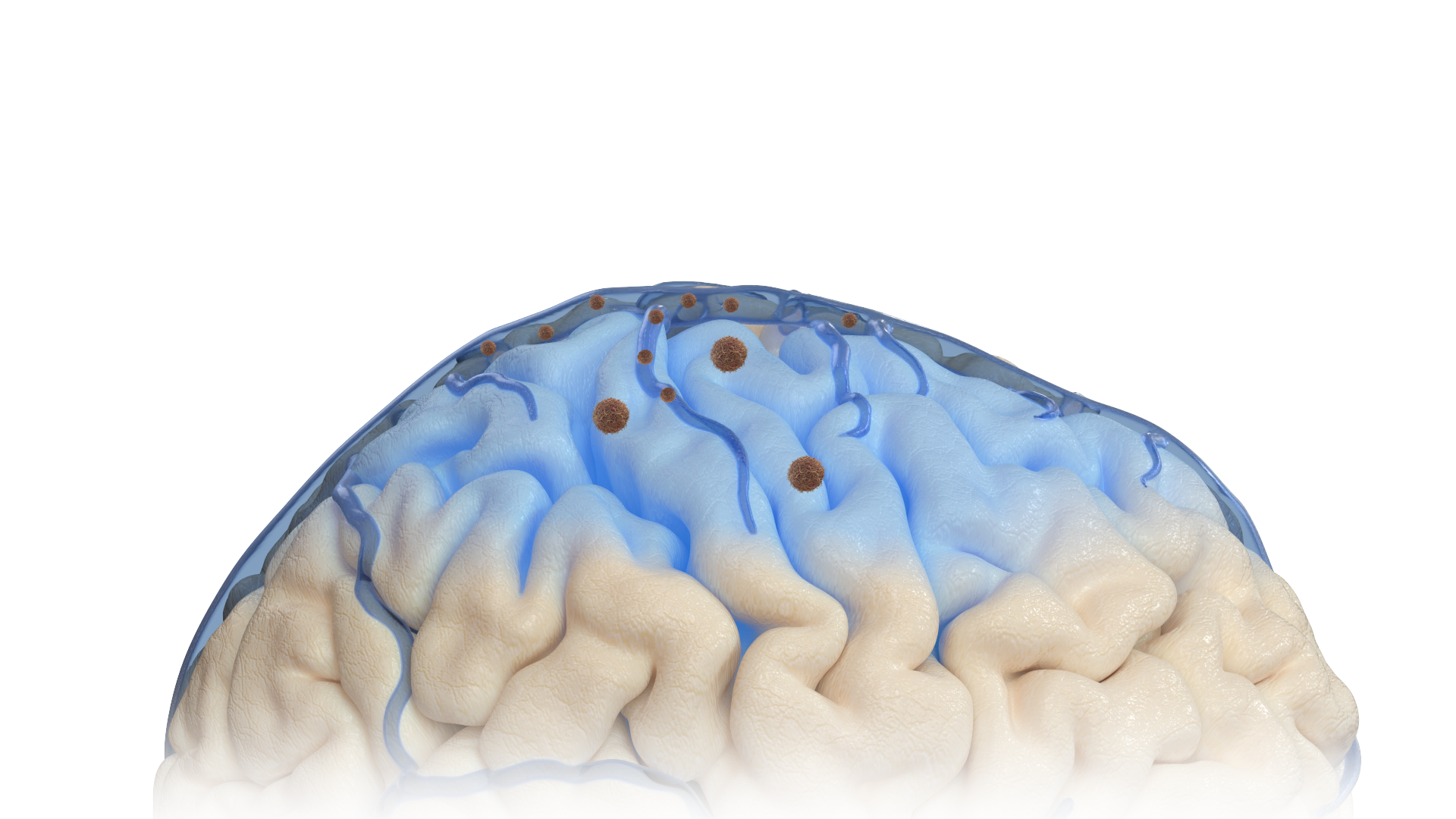
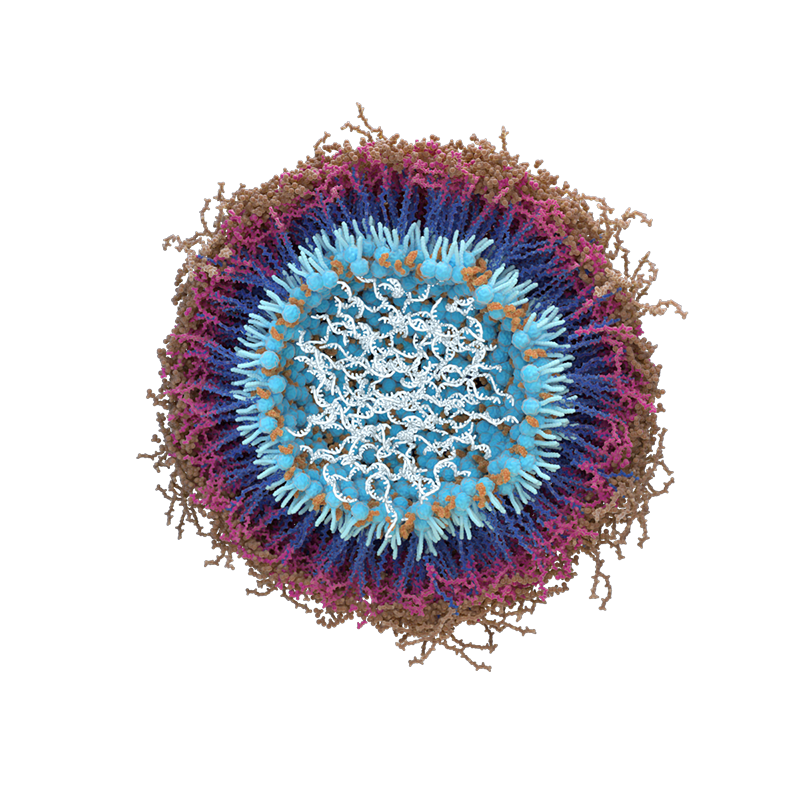
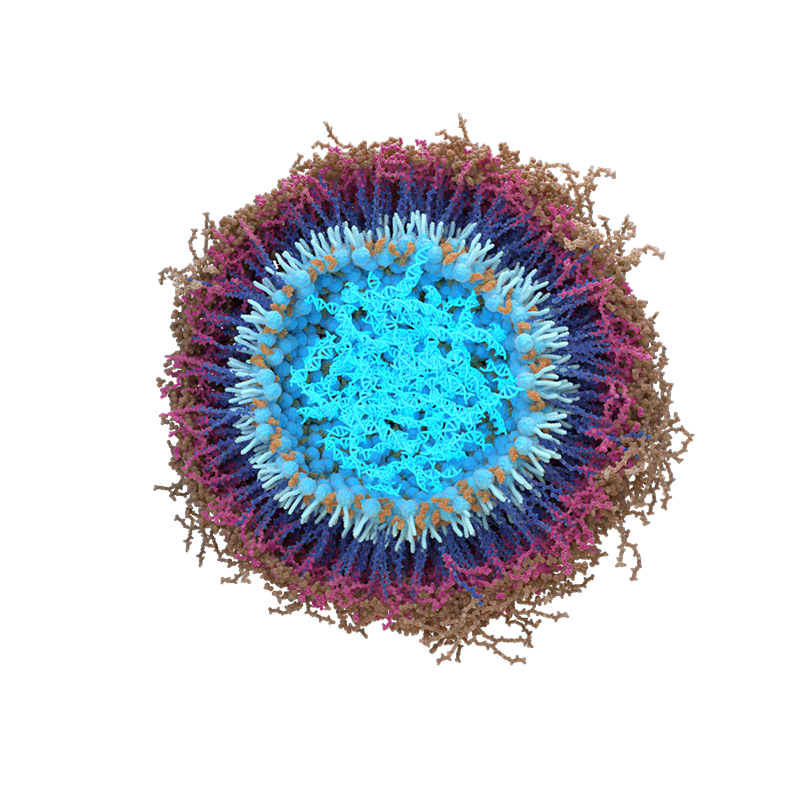
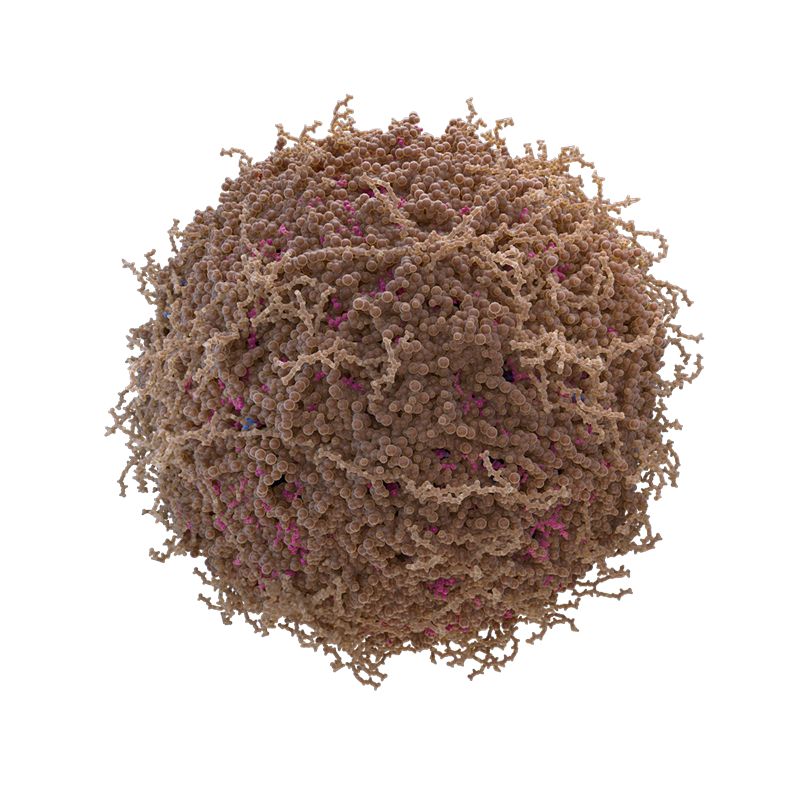
The CNS-penetrating TERP technology (C-TERP) is designed to facilitate active blood–brain–barrier (BBB) penetration via dual-specific transport pathways.
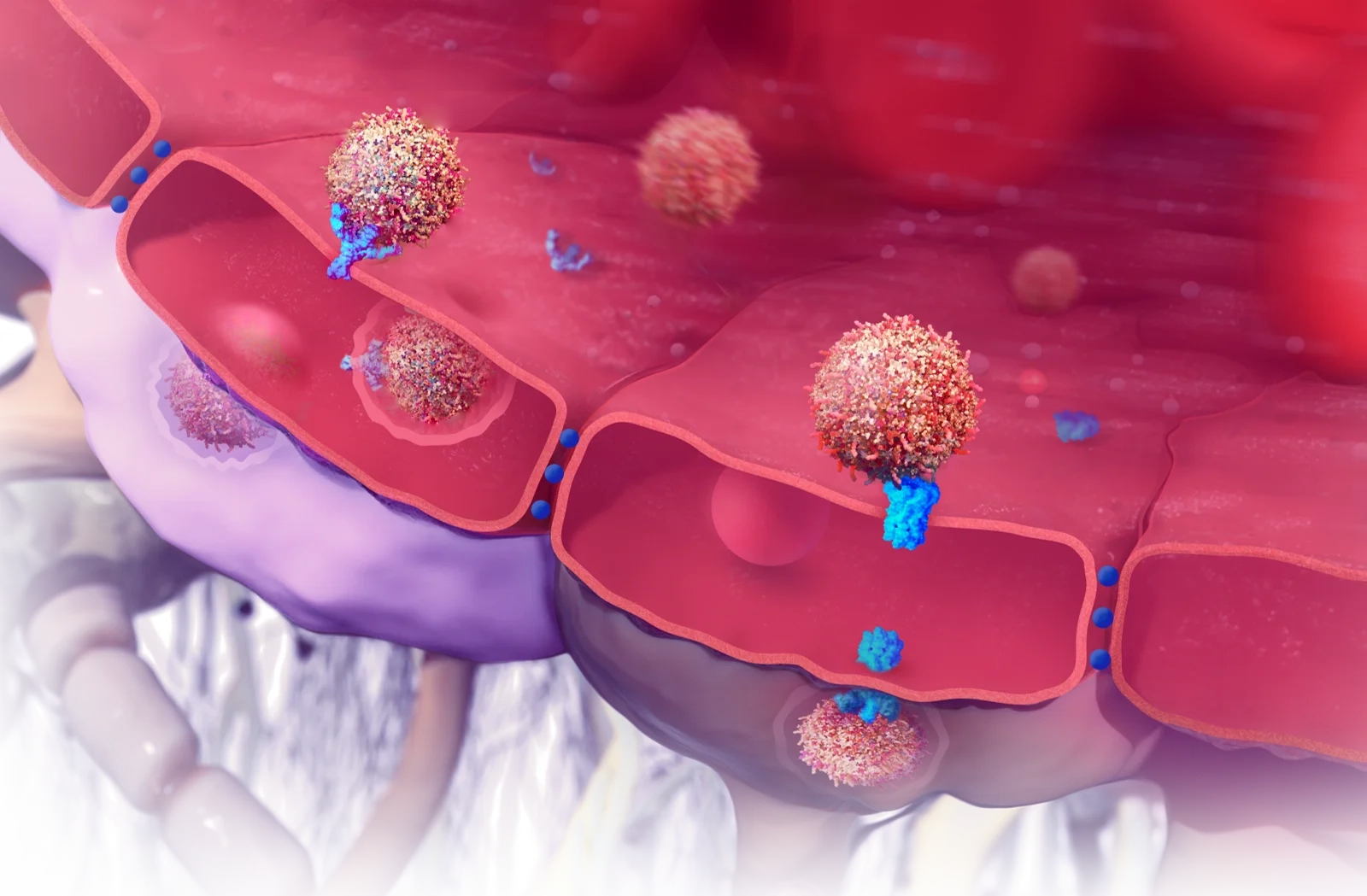
The CNS-penetrating TERP technology (C-TERP) is designed to facilitate active blood–brain–barrier (BBB) penetration via dual-specific transport pathways.
Leadership Team
Dr. Mohammad Ali Amini
CEO
Chief Executive Officer & Co-Founder
DVM, PhD
Dr. Amini is an experienced entrepreneur with strong business leadership and is experienced in various aspects of business formation, operation, and management. He is a veterinary doctor with several years of clinical practice and is also a PhD in Pharmaceutics from the University of Toronto. He possesses extensive experience in leading and managing teams and projects in this field. He co-founded QurCan Therapeutics (formerly known as Nanology Labs) in 2018 and has been successful in establishing strategic relations with leading healthcare organizations in Canada, as well as internationally. He is the recipient of several prestigious international entrepreneurship awards, including the LabCentral Ignite Golden Ticket and MaRS HealthKick.
Dr. Shirley Wu
CSO
Chief Scientific Officer & Co-Founder
PhD, Professor, FAAPS
Dr. Shirley Wu is the Director of the Advanced Pharmaceutics Laboratory at the Leslie Dan Faculty of Pharmacy, University of Toronto. She has over 27 years of experience and expertise in developing innovative drug delivery systems and pharmaceutical formulations for unmet medical needs, including cancer. She is a co-inventor of 14 issued and 6 pending patents worldwide.
Dr. John Reid
CBO
Chief Business Officer
PhD, MBA
Dr. Reid brings over 25 years of experience in business development, pharmaceutical drug discovery, technology transfer, and biotech operations to the opportunity and challenge of developing new therapeutics based on innovative medical research. Prior to joining QurCan Therapeutics in 2020, he was Director of Technology Development and Commercialization at the University Health Network, Director of Strategic Partnering and Business Development at AstraZeneca, and Director of Molecular Sciences at AstraZeneca. He holds a PhD from the University of California (Berkeley), an MBA from LeBow-Drexel, and Executive Education from Wharton.
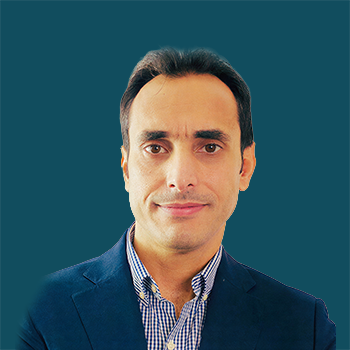
Dr. Azhar Z. Abbasi
EVP of R&D
Executive VP of R&D
PhD
Dr. Abbasi is one of the founding members of QurCan Therapeutics and leads the R&D activities. In this role, he oversees the development of manufacturing processes, analytical methods, quality control, and new product design to support the QurCan Therapeutics portfolio. He brings over 15 years of experience in nanoparticle-based drug product development, their pre-clinical screening, and CMC-related regulatory requirements from early to post-IND stage. Prior to joining QurCan Therapeutics, he worked in the R&D of Apotex Inc. Dr. Abbasi holds a PhD in nanomedicine from the University of Marburg, Germany.
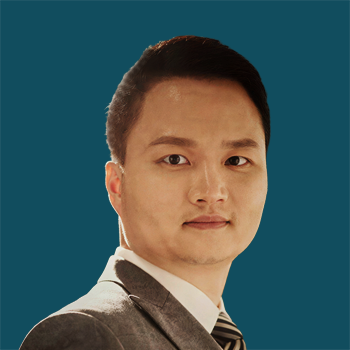
Dr. Chanson He
EVP of Operations
Executive VP of Operations
PhD
Dr. He is one of the founding members of QurCan Therapeutics and leads the operations of the company in support of its goals. He has several years of experience in the pharmaceutical industry and more than 10 years of experience in nano-formulations development, scale-up, and drug product quality control. His expertise covers preclinical, nonclinical studies, and IND-enabling studies. Dr. He received his PhD degree from the East China University of Science and Technology, Shanghai, China.
Strategic Partnership